Android 17 and the Galaxy Z Fold 8 Series Introduce Advanced iOS Migration Tools to Eliminate Ecosystem Lock-In

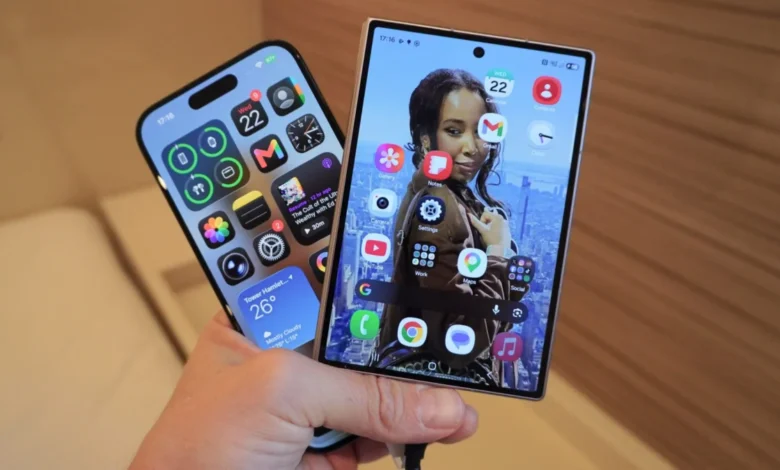
The landscape of mobile operating systems is witnessing a significant shift as Google and Samsung unveil a more sophisticated approach to cross-platform migration. With the debut of Android 17 and the latest generation of Samsung’s foldable devices—the Galaxy Z Fold 8, Galaxy Z Fold 8 Ultra, and Galaxy Z Flip 8—the technical barriers that have historically tethered users to Apple’s iOS ecosystem are being systematically dismantled. Central to this evolution is the "Android Switch" tool, integrated into Samsung’s "Smart Switch" interface, which now offers a near-seamless transition for iPhone users, addressing long-standing pain points such as encrypted chat histories, home screen configurations, and credential management.
For over a decade, the concept of the "Walled Garden" has been a cornerstone of consumer electronics strategy, particularly for Apple. By integrating hardware, software, and services like iMessage and iCloud, the cost of switching—both in time and potential data loss—remained prohibitively high for the average consumer. However, the latest updates in Android 17 signal a strategic pivot by Google to lower these barriers, facilitating a more fluid movement of digital identities across competing hardware platforms.
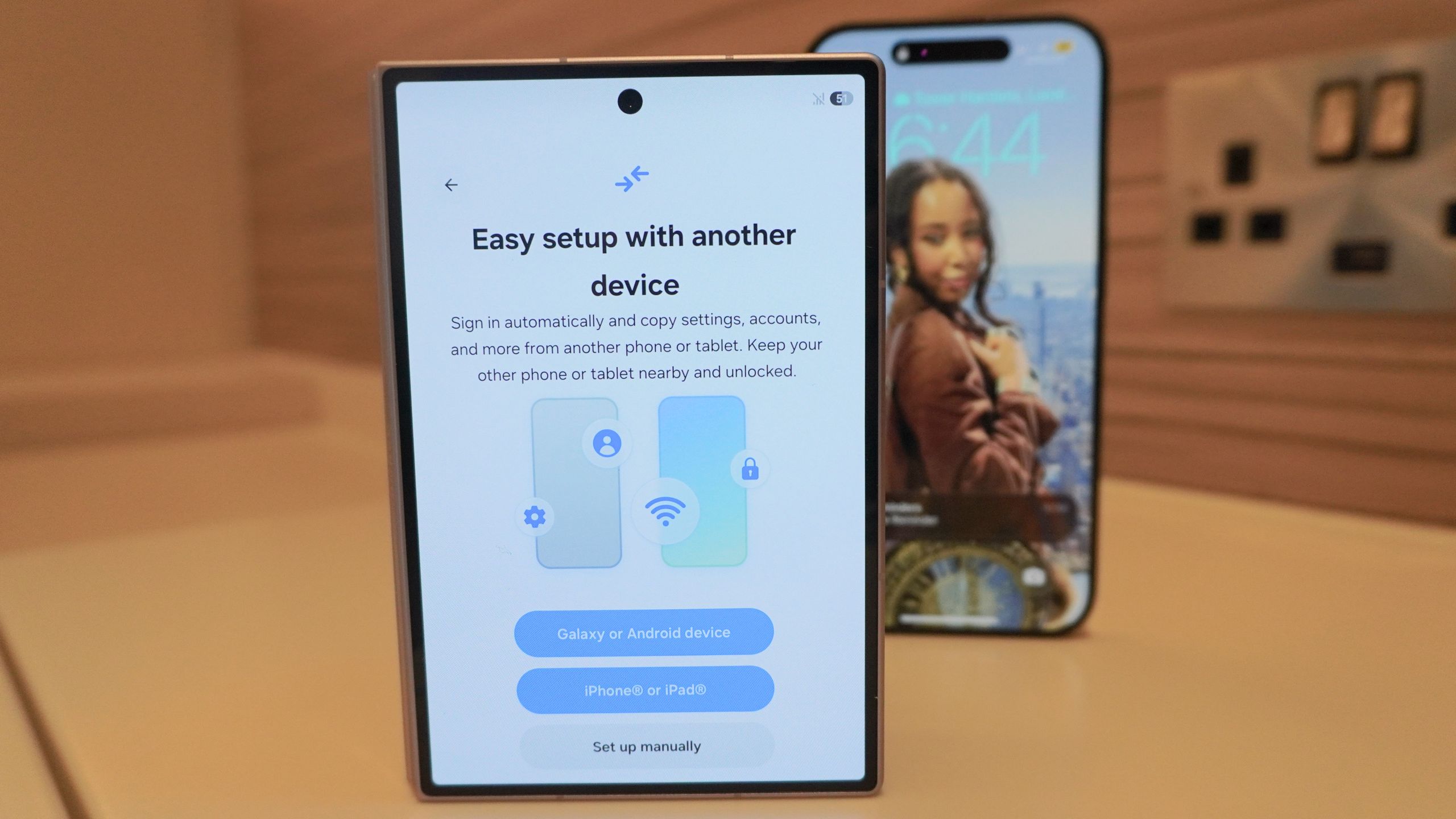
A New Era of Data Portability: The Mechanics of the Switch
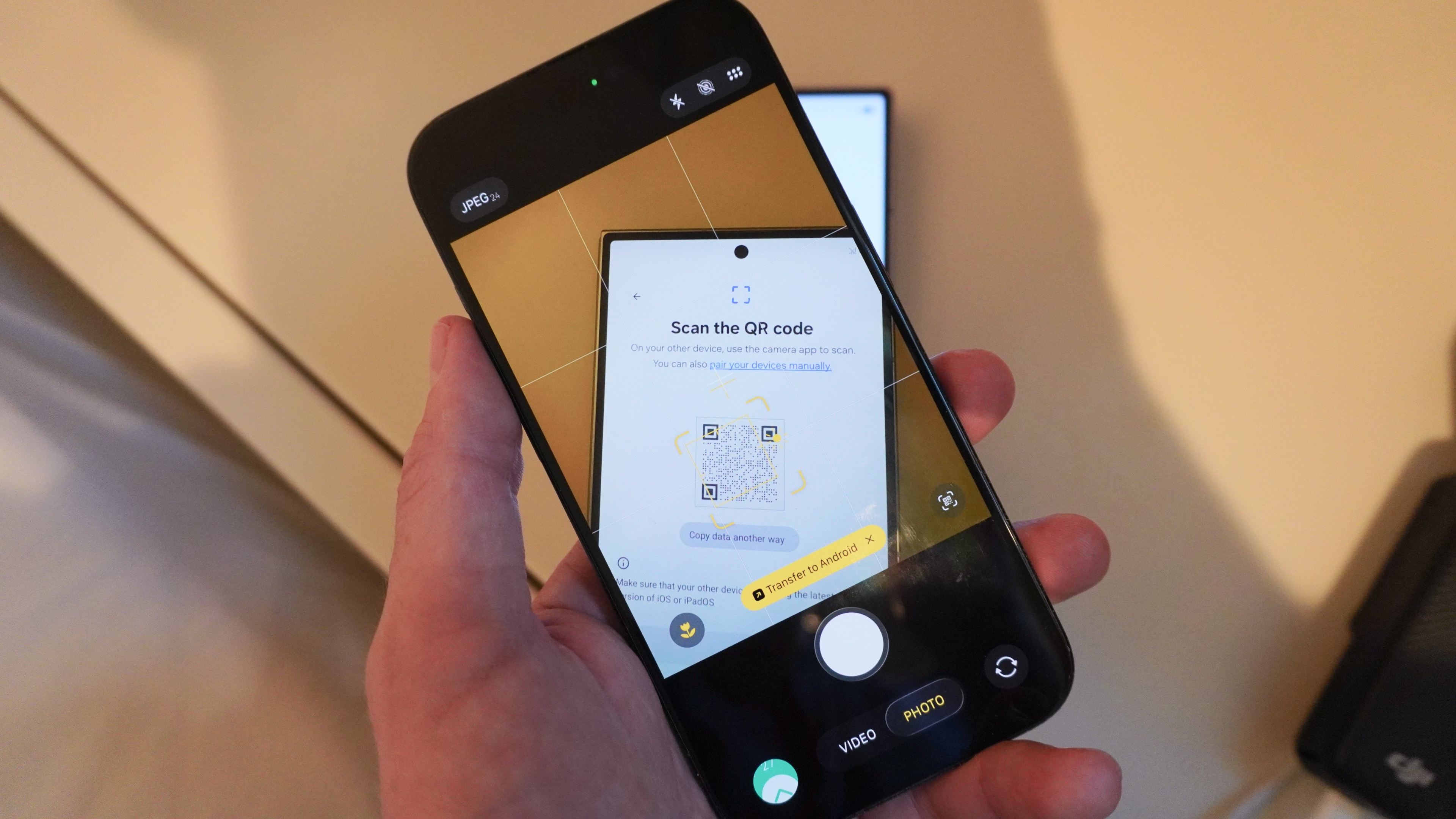
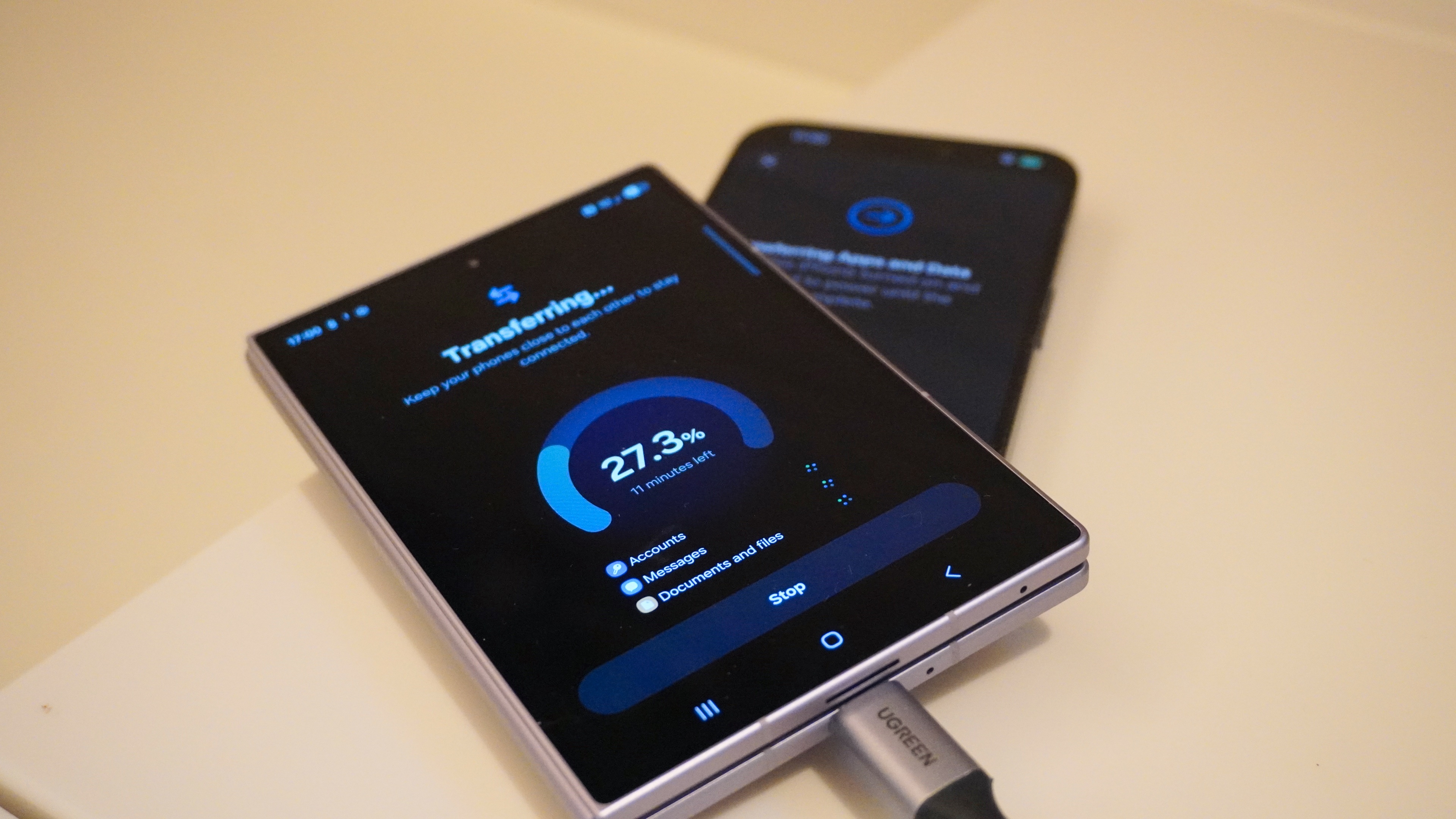
The migration process introduced with the Galaxy Z Fold 8 series represents a departure from the cumbersome, cable-dependent methods of the past. The procedure is initiated via a simple QR code scan, requiring no additional third-party applications on the source iPhone. This streamlined handshake between the two devices allows the Android handset to index and prepare for the transfer of a comprehensive suite of data types.
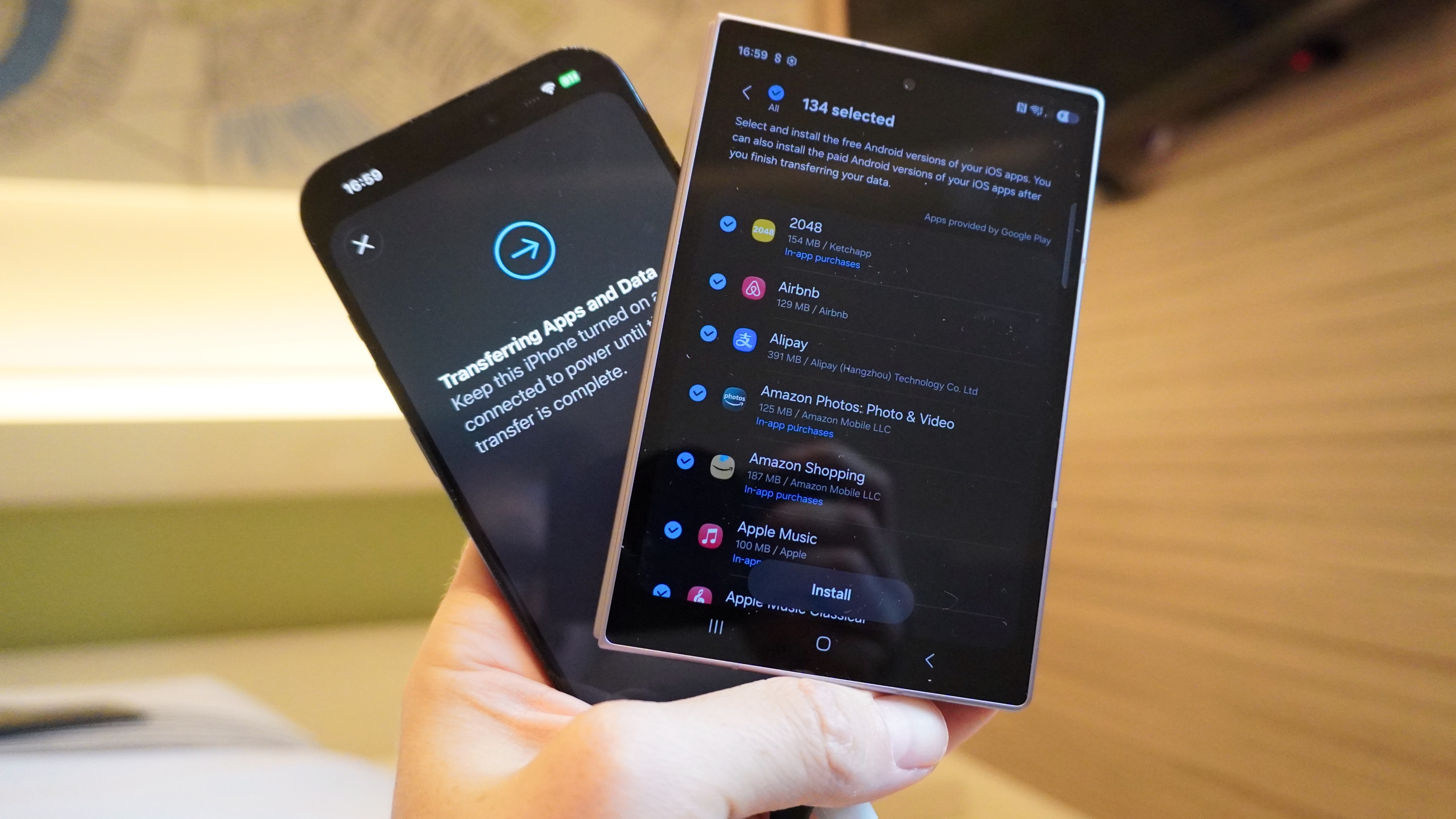
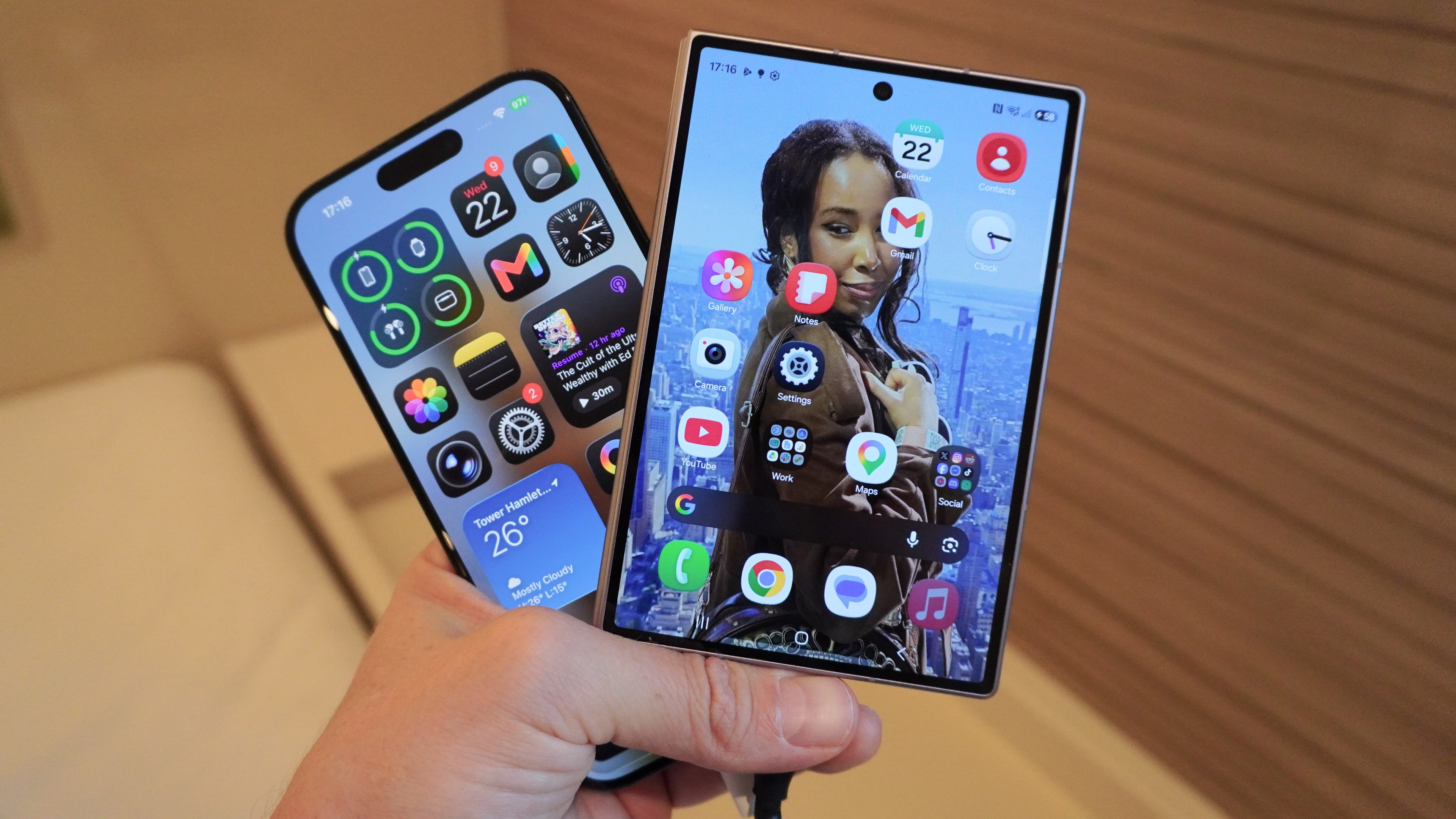
The technical scope of the "Android Switch" tool is extensive. It identifies iOS applications and automatically locates and installs their Android equivalents from the Google Play Store. Beyond basic app installation, the tool migrates call logs, contact lists, and SMS messages. Perhaps most notably, it addresses the "WhatsApp hurdle"—a frequent dealbreaker for switchers—by transferring encrypted chat histories and media. Furthermore, the tool attempts to replicate the user’s aesthetic experience by migrating wallpapers and home screen layouts, ensuring that apps are placed in familiar positions on the new device’s grid.
Despite the sophisticated software, hardware limitations remain a factor in the migration process. During early testing and consumer feedback sessions, the primary bottleneck identified was storage parity. For users transitioning from high-capacity iPhones (such as 1TB models) to base-model foldables, the physical constraints of the hardware can necessitate difficult choices regarding media libraries. In cases where a decade’s worth of photos and videos exceeds the destination device’s capacity, users are increasingly turning to cloud-agnostic services, such as Amazon Photos or Google Photos, to bridge the gap between ecosystems.
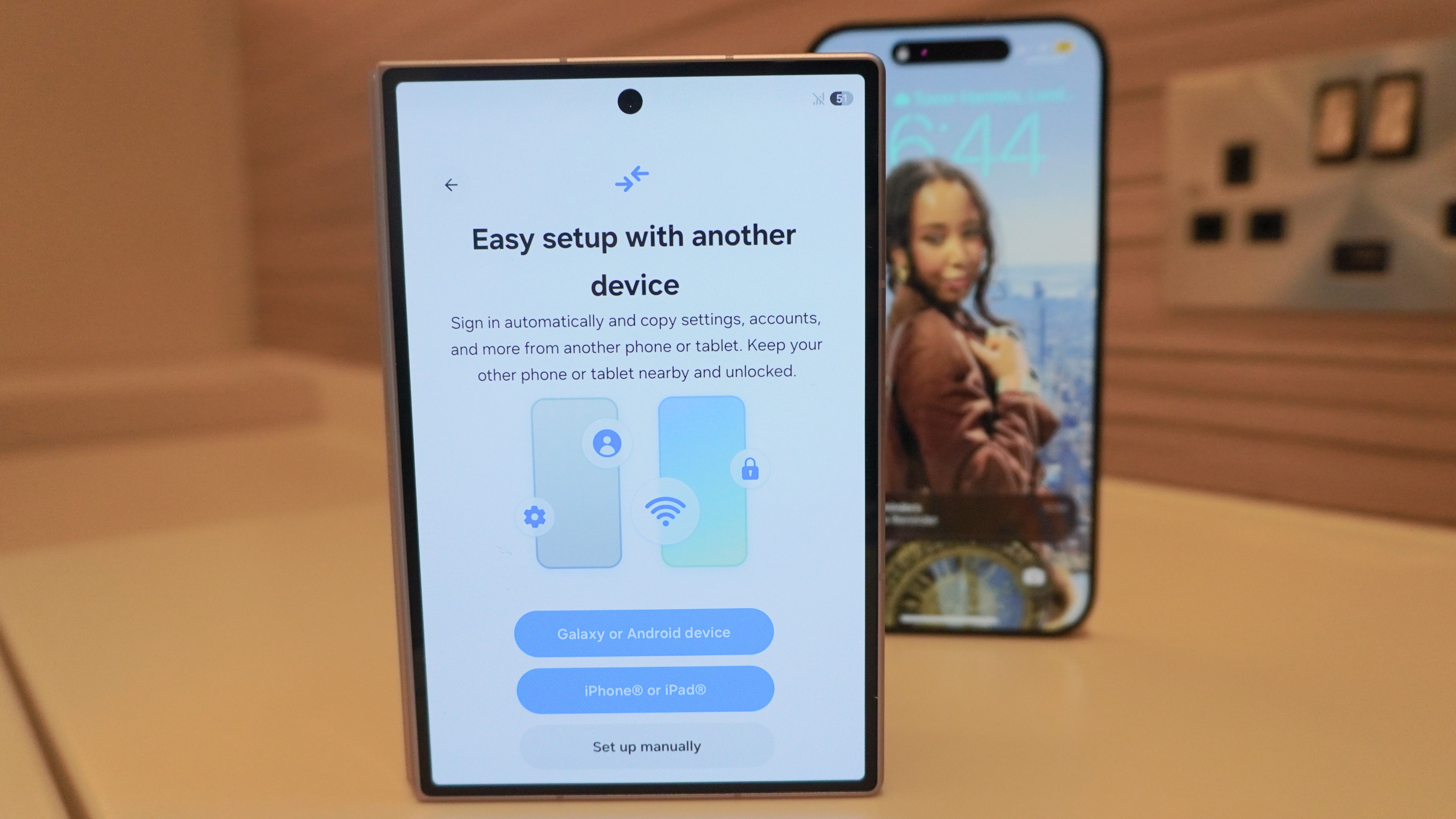
Technical Specifications and Performance Benchmarks
The efficiency of the wireless migration process has seen marked improvements with the integration of Android 17. Benchmarks indicate that a standard transfer of approximately 55GB of data—comprising messages, app data, and system settings—can be completed in roughly 25 to 30 minutes over a stable Wi-Fi connection.
Once the initial data transfer is complete, the "Android Switch" tool automates the login process for a variety of supported applications using saved credentials. While some manual intervention is required for high-security applications, such as banking platforms and digital wallets like Samsung Pay, the total "down-time" for a user is significantly reduced. Industry analysts note that the transition from an iPhone to a fully functional Galaxy Z Fold 8 can now be achieved in under 45 minutes, a stark contrast to the multi-hour or multi-day processes common in previous years.
The Galaxy Z Fold 8 Series: Hardware as a Catalyst
The launch of the Galaxy Z Fold 8, Galaxy Z Fold 8 Ultra, and Galaxy Z Flip 8 serves as the primary hardware vehicle for these software advancements. Samsung has positioned these devices not just as upgrades to their predecessors, but as the ultimate destination for "ecosystem refugees."
- Galaxy Z Fold 8 Ultra: Featuring a refined hinge mechanism and a larger internal display, the Ultra model is designed to appeal to power users who utilize their devices for productivity—a demographic that has traditionally leaned toward the iPhone Pro Max series.
- Galaxy Z Fold 8: The standard foldable remains the flagship for the mainstream market, offering a balanced aspect ratio that makes the transition from a traditional slab-style iPhone feel less jarring.
- Galaxy Z Flip 8: Targeted at a younger, style-conscious demographic, the Flip 8 leverages the new migration tools to attract users who may have been hesitant to leave the social ecosystem of iOS but are drawn to the foldable form factor.
Addressing the Connectivity Challenge
While the migration tool has been praised for its intuitive design, it is not without operational hurdles. One common issue reported during the setup phase involves network authentication. Because the migration often occurs during the initial device setup, the Android handset may encounter difficulties on "captive portal" Wi-Fi networks—those commonly found in hotels or public spaces that require a web-based login.
The recommended technical workaround involves bypassing the initial migration prompt to establish a stable Wi-Fi connection through the standard Android settings menu, then re-initiating the "Smart Switch" process. This ensures that the high-bandwidth transfer is not interrupted by authentication timeouts, a critical factor when moving tens of gigabytes of encrypted data.
Market Context and Competitive Response
The timing of this release is significant. Google and Samsung’s push for better interoperability comes at a time of increased regulatory scrutiny regarding digital gatekeeping. In the European Union, the Digital Markets Act (DMA) has placed pressure on platform holders to ensure that users can easily move their data between services.
Historically, Apple’s "Move to iOS" app was the gold standard for attracting switchers, but Google’s latest efforts with Android 17 suggest that the competitive advantage in migration software may be shifting. By focusing on "frictionless" transitions—where even the layout of the home screen is preserved—Android manufacturers are targeting the psychological comfort that keeps users attached to their current platform.
Data from market research firms suggests that "ecosystem inertia" is the primary reason users remain with their current smartphone brand. A 2023 survey indicated that 70% of iPhone users cited the "hassle of moving data" as a top three reason for not considering an Android device. By automating the most tedious aspects of this process, Google and Samsung are directly addressing the largest barrier to market share growth in the premium segment.
Broader Implications for the Smartphone Industry
The success of the Android 17 migration suite could signal a broader trend toward "platform agnosticism" in the mobile industry. If the technical cost of switching drops to near zero, smartphone manufacturers will be forced to compete more aggressively on hardware innovation and service quality rather than relying on consumer lock-in.
For Samsung, the Z Fold 8 series represents a "best of both worlds" proposition: the innovative hardware of a foldable combined with a software experience that mirrors the familiarity of the user’s previous device. For Google, the goal is the expansion of the Android user base by proving that the "Walled Garden" is no longer impenetrable.
As these tools become more prevalent, the industry may see a rise in "fluid users"—consumers who switch between iOS and Android every two to three years based on which manufacturer offers the most compelling hardware. This shift would mark the end of the decade-long era of platform loyalty and usher in a more volatile, innovation-driven market.
Conclusion and Future Outlook
The introduction of the "Android Switch" tool within the Galaxy Z Fold 8 launch marks a pivotal moment in the ongoing rivalry between iOS and Android. By prioritizing the user’s digital continuity—passwords, chats, and even the visual arrangement of their digital life—Google and Samsung have effectively neutralized the most potent weapon in the ecosystem war: the fear of starting over.
As Android 17 continues to roll out to other manufacturers, such as Pixel and OnePlus, the standards for data portability are expected to rise across the board. The message to consumers is clear: the hardware you choose should be based on preference and utility, not on the fear of losing your digital history. With the "bolt cutters" provided by Android 17, the walls of the garden have never looked shorter.